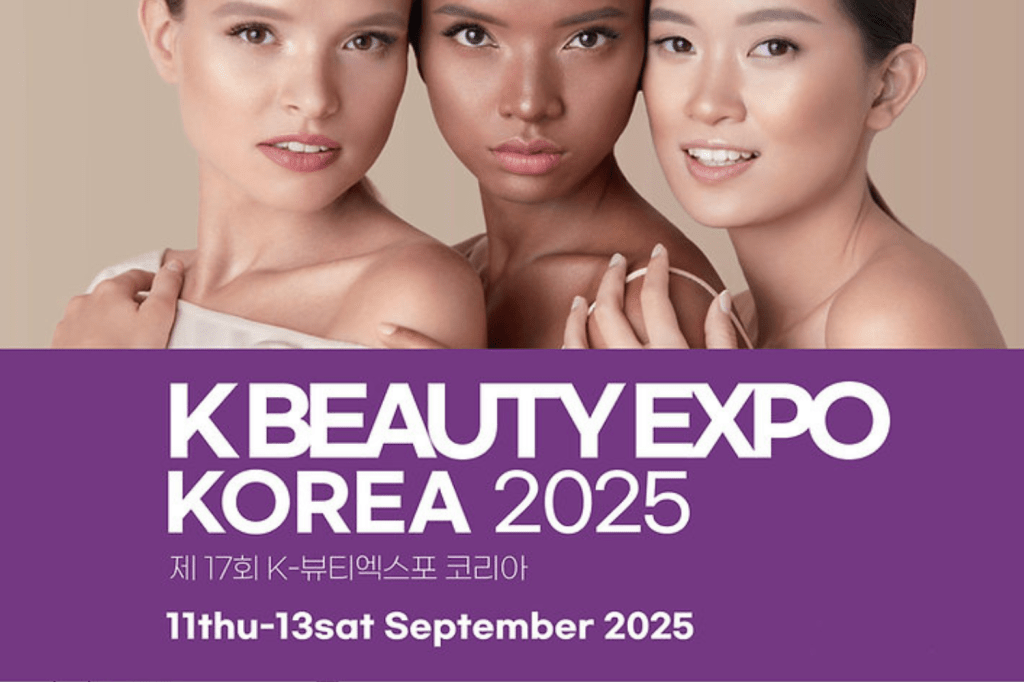
Last September, from the 11th to the 13th, I visited K-Beauty Expo Korea, held at KINTEX in Goyang, South Korea.
As someone who has been closely following K-beauty trends and working within the global beauty industry, I wanted to see how the Korean beauty market was evolving at its source—and how much attention it was truly receiving from international buyers and professionals.
That curiosity led me to travel all the way from Australia to Korea, together with my business partner.
First Impressions: Energy, Scale, and Global Interest
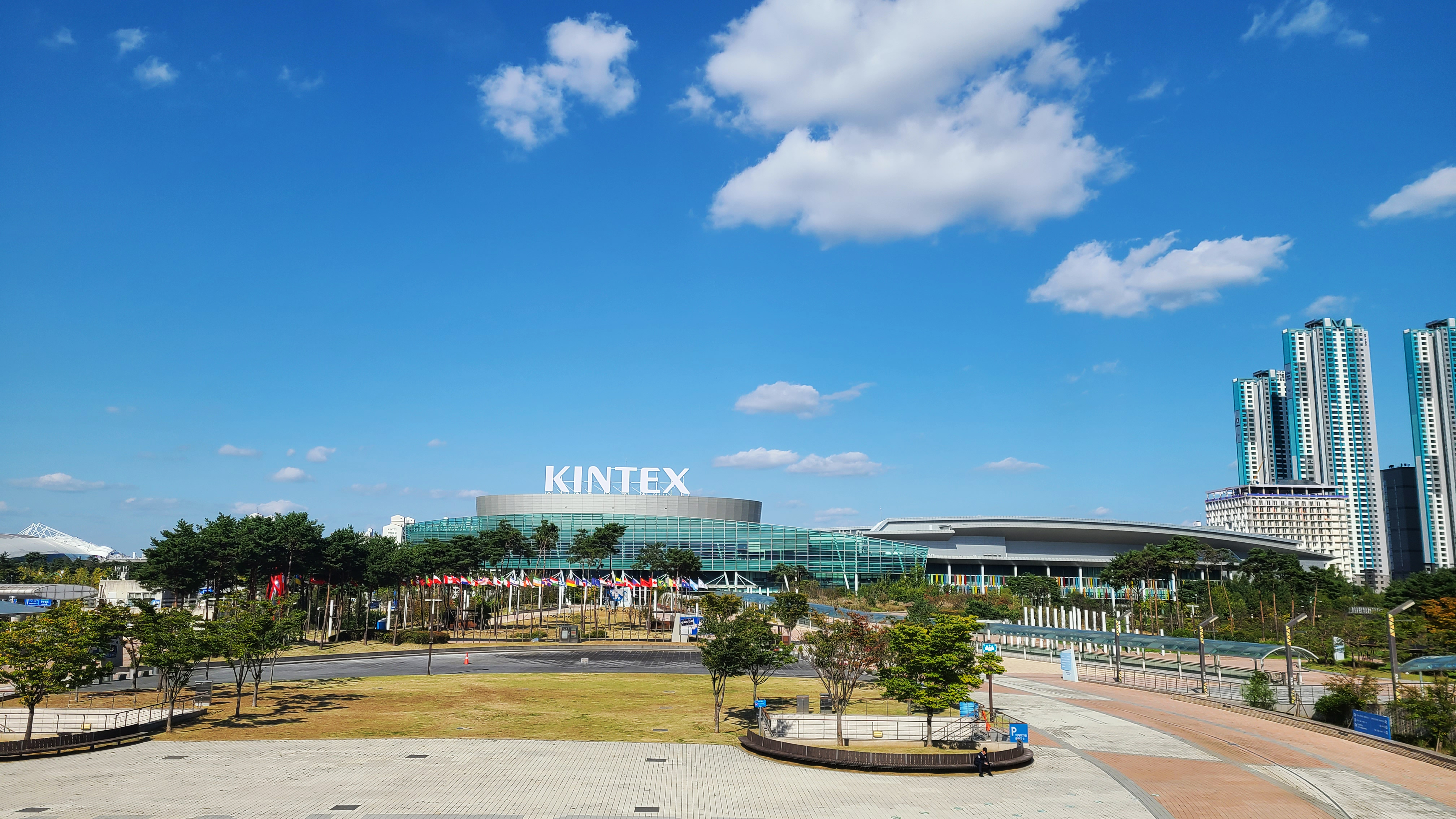
The expo venue, KINTEX in Goyang, is one of Korea’s largest exhibition centres, and it immediately set the tone for the event.
We arrived early in the morning—partly out of excitement, and partly because the first 100 visitors were offered a complimentary eco bag and welcome gifts. It felt symbolic of the level of preparation and scale behind the event.
From the moment we entered, it was clear this was not just a local exhibition.
International buyers, distributors, and industry professionals filled the halls, reinforcing how global the K-beauty market has become.
How K-Beauty Expo Korea Compares Globally
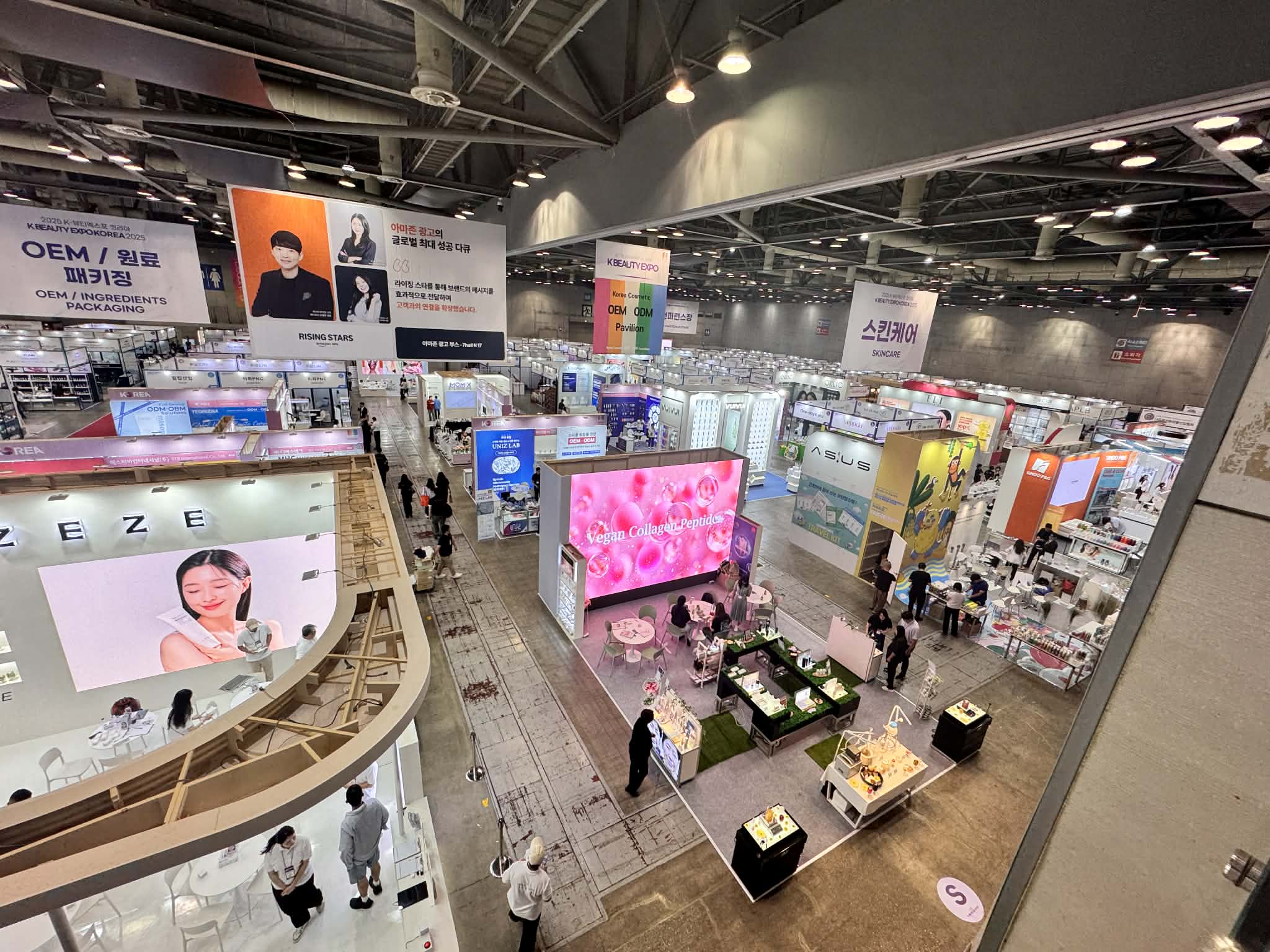
In terms of size and diversity, the expo was simply overwhelming—in a good way.
Compared to beauty expos in Sydney, K-Beauty Expo Korea showcased a much broader spectrum of categories:
- Skincare and makeup
- Packaging and formulation services
- Hair, scalp, and nail care
- Beauty devices and professional systems
This diversity highlighted why the Korean beauty industry continues to lead globally. It’s not just about products—it’s about a complete ecosystem supporting innovation.
Emerging K-Beauty Brands and Growing Competition
One of the most striking aspects was the sheer number of emerging K-beauty brands.
Beyond the globally recognised names, there was an entire generation of brands preparing to enter international markets.
As competition increases, so does the level of sophistication.
Formulations, functionality, and brand storytelling have clearly evolved, and it’s hard not to believe that this competitive environment is accelerating the overall quality of Korean skincare.
This reinforced my belief that K-beauty is not a passing trend, but a steadily growing global industry.
From Skincare to Hair & Body: K-Beauty’s Expansion
Another noticeable shift was how strongly the beauty market has expanded beyond facial skincare.
Hair and body care were no longer secondary categories—they felt central to the conversation.
In particular, hair and scalp spa systems caught my attention.
The message was clear: beauty no longer ends with skincare. It is completed through healthy hair.
This shift reflects a broader philosophy—moving beyond simply “looking good” toward maintaining long-term health, from skin to scalp.
Skin Health Still at the Core of K-Beauty
As I’ve mentioned in previous posts, the essence of K-beauty has always been about maintaining healthy skin over time, rather than chasing short-term results.
Several Korean skincare brands stood out to me during the expo:
- Joodoc
- Lagom
- Differ & Deeper
- Oclearien
What connected these brands was a clear focus on skin condition, balance, and environment—rather than instant transformation.
Looking Ahead: Why This Expo Still Matters
Looking back, visiting K-Beauty Expo Korea was more than just an industry trip.
It offered a clear snapshot of where K-beauty trends were heading—and many of those signals are still unfolding in global markets today.
I’ll continue watching how these brands grow internationally, and I look forward to potential opportunities to grow together along the way.
K-beauty, to me, is no longer just about innovation.
It’s about consistency, health, and a long-term vision—and this expo captured that perfectly.
 Jen’s Beauty Life
Leave a comment