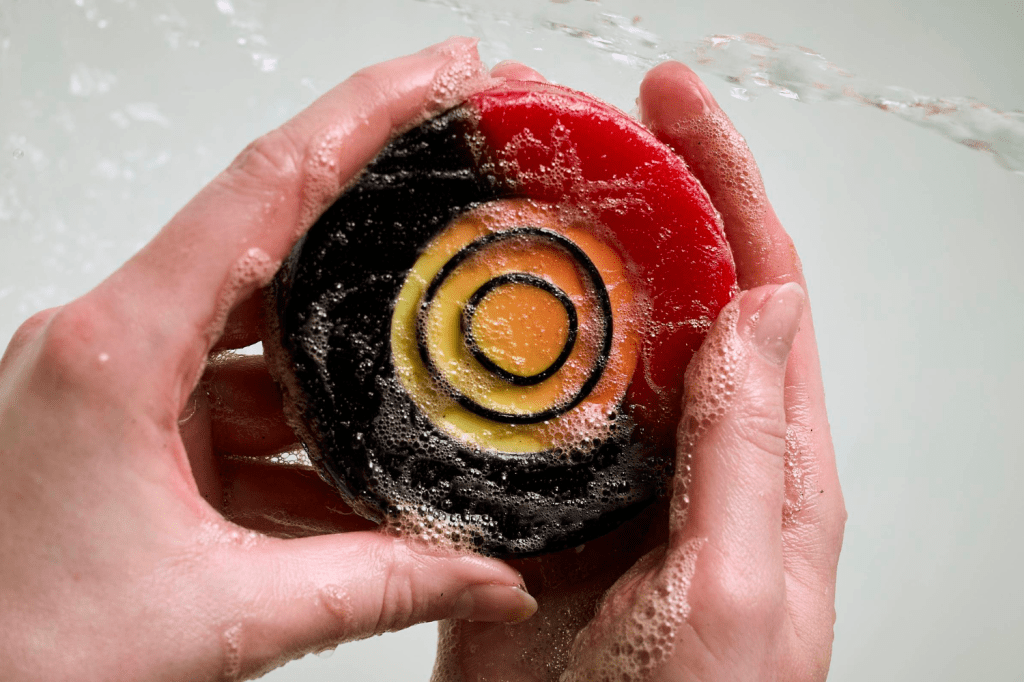
Lush Australia sparked conversation this Australia Day — not with celebration, but with a question.
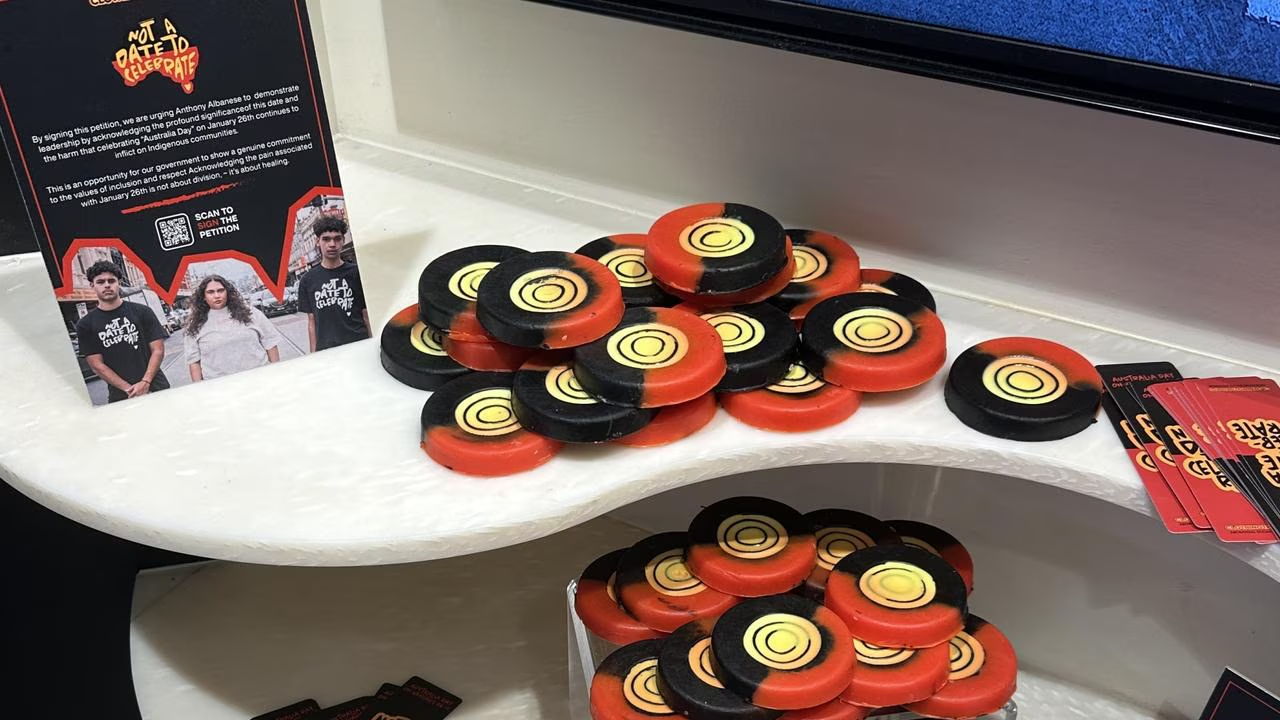
Ahead of 26 January, Lush launched a limited-edition soap as part of its “Not a Date to Celebrate” campaign. The product, called “Always Will Be”, was created in collaboration with Aboriginal-led brand Clothing The Gaps. Its name references the phrase “Always Was, Always Will Be Aboriginal Land.”
Rather than marking Australia Day as a celebration, the campaign encouraged people to pause and reflect on what the date represents — especially for First Nations communities.
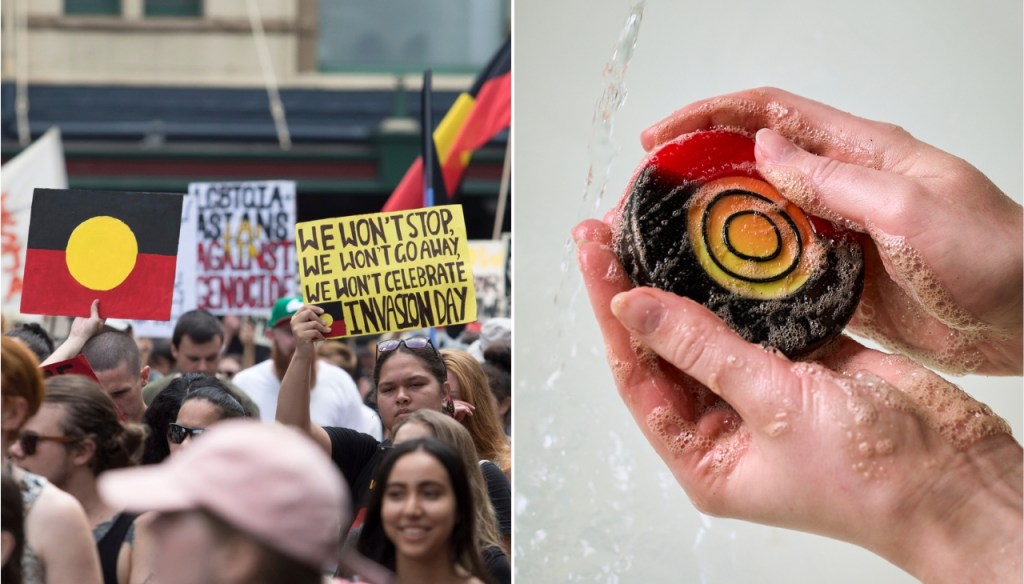
What was the campaign about?
- A limited-edition soap released around Australia Day
- A collaboration with Clothing The Gaps, an Aboriginal-led organisation
- 75% of proceeds donated to support education and advocacy initiatives
- In-store and online messaging encouraging reflection, not celebration
The focus was less on the product itself, and more on starting a conversation.
Why did it divide opinions?
Australia Day holds very different meanings for different people.
For some, it is a day of national pride.
For others, it is tied to colonisation and loss.
Because of this, reactions to the campaign were mixed. Some welcomed Lush for taking a clear stand, while others questioned whether a beauty brand should involve itself in such a sensitive social issue.
A very “Lush” move
This campaign didn’t come out of nowhere.
Lush has long been known for taking strong positions on environmental, ethical, and social issues — even when those positions are uncomfortable or polarising. Rather than trying to appeal to everyone, the brand consistently prioritises staying aligned with its values.
From a brand perspective, this approach strengthens identity, even if it risks losing more neutral consumers.
A quiet takeaway
What stood out to me wasn’t whether people agreed or disagreed with the message.
It was how consistently Lush continues to speak in the same voice.
In today’s beauty landscape, products are no longer just judged by how well they work. They are increasingly tied to values, beliefs, and the kind of brand people choose to support.
Whether welcomed or challenged, this campaign is a reminder that beauty has become part of a much wider cultural conversation.
💬 What do you think?
Do you believe beauty brands should take a stand on social issues — or stay neutral?
I’d love to hear how this campaign landed with you.
 Jen’s Beauty Life
Leave a comment