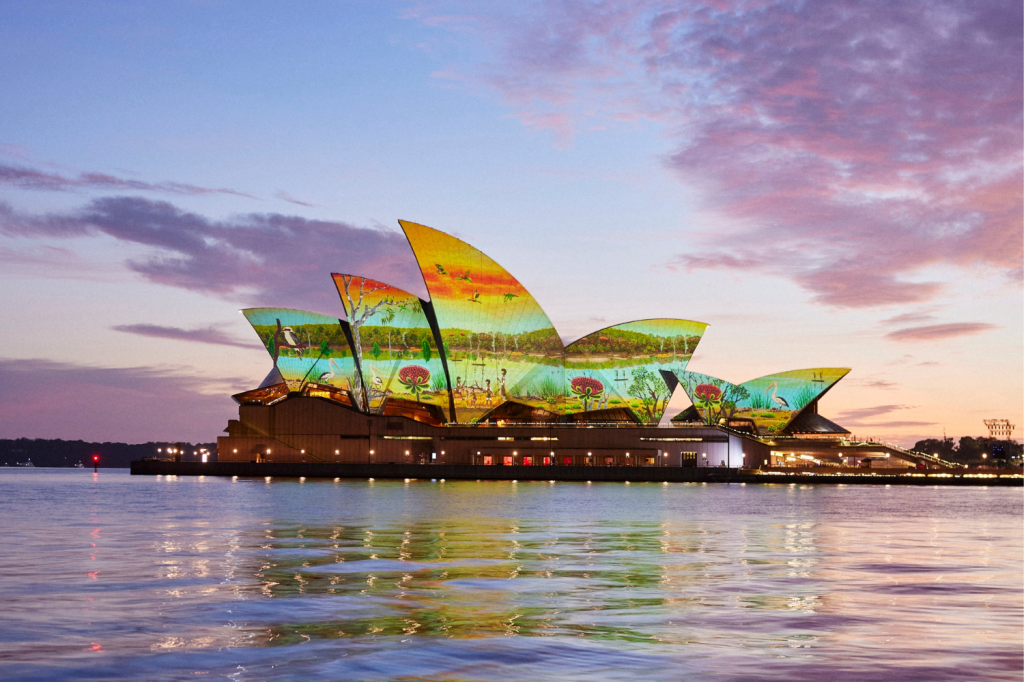
To be honest, for a long time Australia Day didn’t mean very much to me.
It was simply the first public holiday of the year.
The day that comes and goes before school terms start again,
before life properly kicks back into gear.
If I’m being even more honest,
I mostly thought of it as a sausage sizzle kind of day —
people heading to the park or the beach,
throwing a few snags on the BBQ, enjoying the summer weather.
A relaxed, easy public holiday.
Nothing more than that.

But lately, I’ve found myself wanting to understand this day properly —
not just mark it on the calendar, but actually think about what it means.
One date, very different memories
Officially, Australia Day marks the arrival of the First Fleet in 1788
at Sydney Cove.
For many Australians, it represents the beginning of the nation.
For many Aboriginal and Torres Strait Islander people,
it marks the beginning of dispossession, loss, and trauma.
That’s why you’ll also hear this day referred to as
Invasion Day or Survival Day.
These meanings don’t cancel each other out.
They exist at the same time —
and that’s what makes this date complicated.
Seeing Australia Day differently as a migrant
As someone living in Australia as a migrant,
Australia Day has become a day that feels more layered over time.
Do you celebrate?
Do you stay quiet?
Do you acknowledge it — and if so, how?
I don’t think there’s a single “right” answer.
What feels important to me now is the attitude we bring to the day.
Rather than treating it as just another summer long weekend,
it feels worth asking a few simple questions:
- Why does this date carry so much weight for some people?
- What history sits beneath the place I now call home?
Even pausing to ask those questions feels meaningful.
A shift I’ve noticed in Australia
Over the past few years, the conversation around Australia Day has clearly changed.
More brands, workplaces, and communities are choosing to:
- keep things low-key
- acknowledge Indigenous history and voices
- focus less on celebration, and more on reflection and respect
It’s not perfect, and it’s still evolving —
but it does feel like Australia is starting to look at itself more honestly.
How I approach Australia Day now
These days, Australia Day isn’t a big celebration for me.
But it’s not a day I ignore either.
It’s more of a pause.
A chance to reflect on the country I live in,
the history that came before me,
and what it means to be part of this place today.
Living somewhere means more than enjoying the lifestyle.
It also means being willing to acknowledge the full story —
even the uncomfortable parts.
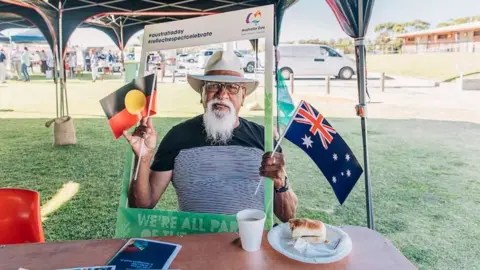
What does Australia Day mean to you?
For some, it’s a day off.
For others, it’s a day of mourning, survival, or protest.
And for many, it’s still an open question.
There doesn’t have to be one shared answer.
But recognising that different meanings exist —
and being open to learning —
feels like a good place to start.
That, for me, is what Australia Day means now.
 Jen’s Beauty Life
Leave a comment