Vitamin C is one of the most talked-about ingredients in skincare.
From brightening and fading dark spots to improving overall skin radiance, its benefits are well known.
But one question comes up again and again:
Is a higher percentage of Vitamin C better — or is it more effective to use a lower percentage consistently?
The short answer is this:
For most skin types, consistency matters more than concentration.
High-Percentage Vitamin C (15–20% or higher)
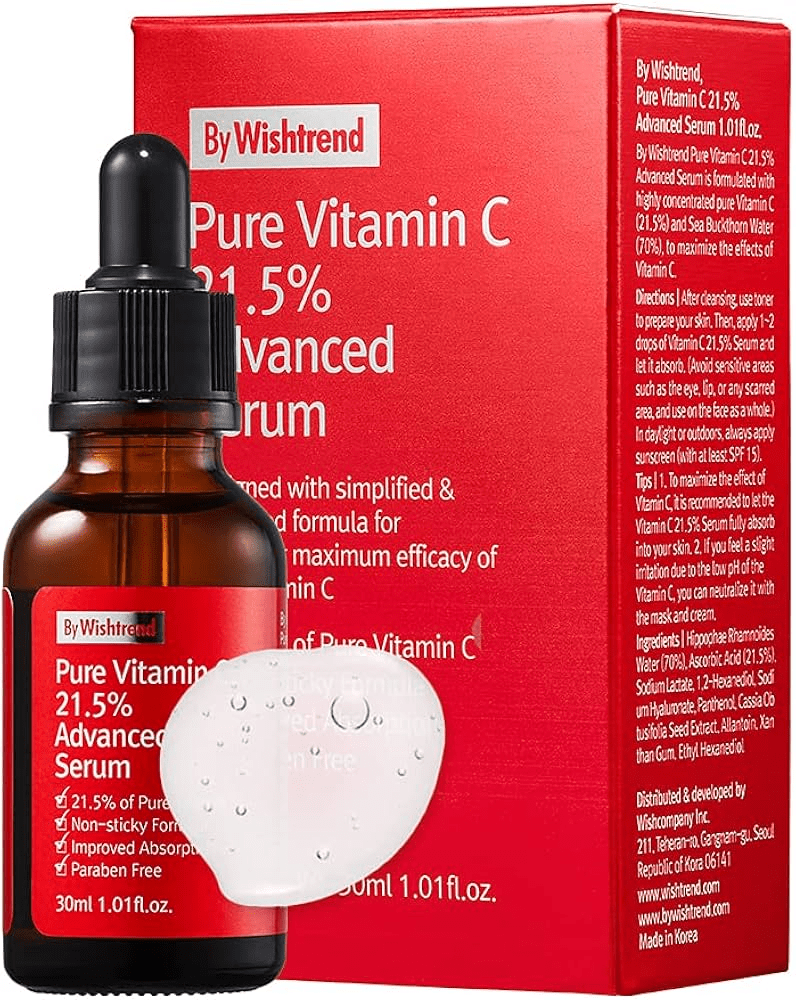
High-percentage Vitamin C formulas are usually made with pure Vitamin C (L-Ascorbic Acid).
Benefits
- Faster brightening results
- More noticeable improvement in dark spots and pigmentation
- Useful for short-term, intensive skin correction
Things to Consider
- Higher risk of irritation such as stinging, redness, or dryness
- Often difficult to use daily
- More prone to oxidation and sensitive to storage conditions
- Can disrupt the skin barrier if the skin is already compromised
Best suited for
- Skin that is already accustomed to Vitamin C
- Visible pigmentation or stubborn dark spots
- Use as a targeted treatment, 2–3 times per week
Low to Mid-Percentage Vitamin C (3–10%)
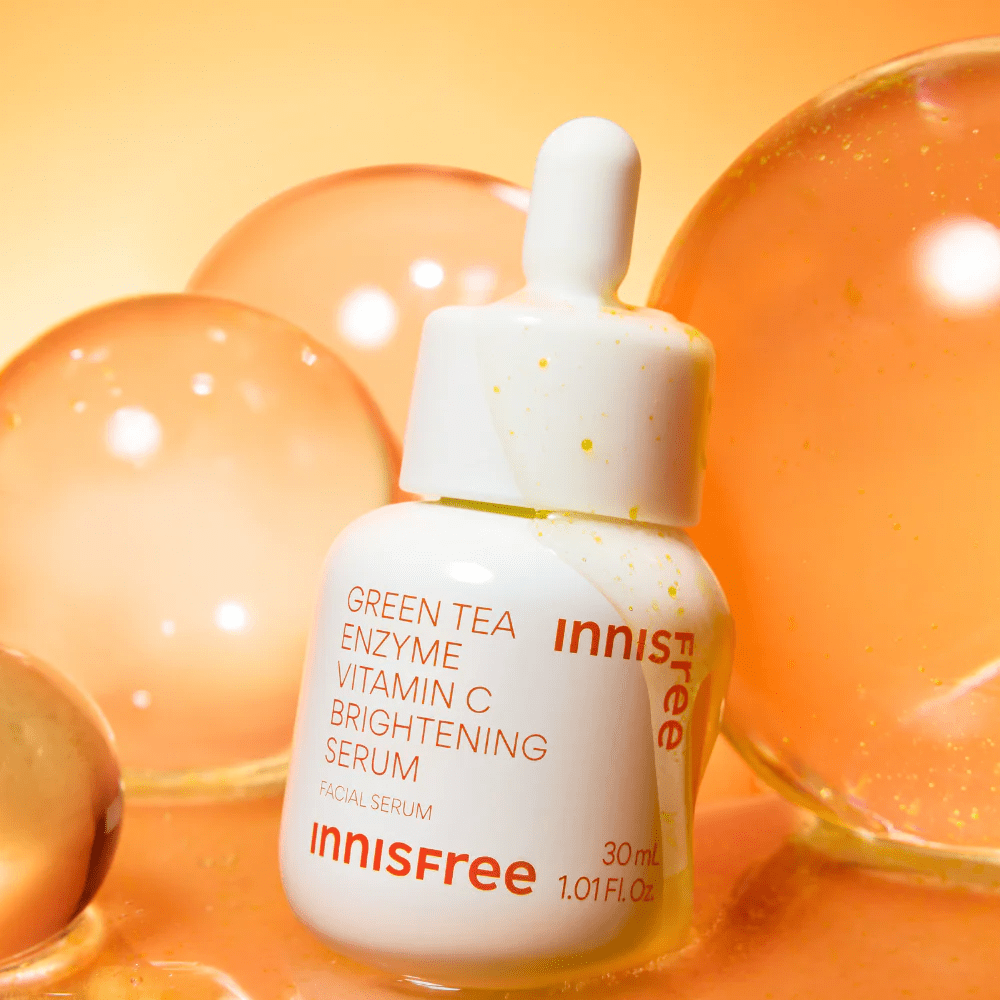
Lower-to-mid percentage Vitamin C products often use Vitamin C derivatives, which are generally more stable and gentle on the skin.
Benefits
- Suitable for daily use
- Lower risk of irritation, even for sensitive skin
- Gradual but consistent improvement in skin tone and texture
- Easy to layer with hydrating and barrier-repair products
Things to Consider
- Results are more gradual rather than immediate
- Pigmentation improvement takes time and consistency
Best suited for
- Sensitive or dry skin
- Vitamin C beginners
- Anyone looking to incorporate Vitamin C into a daily routine
When it comes to Vitamin C, a higher percentage does not always mean better results.
High-concentration Vitamin C can be effective for short-term, targeted concerns,
but lower-to-mid concentrations are often more beneficial in the long run because they can be used consistently.
Skin responds better to steady, repeated care than to short bursts of strong stimulation.
Choosing a Vitamin C product you can use comfortably — day after day — is often the smarter approach.
How I Recommend Using Vitamin C
When it comes to Vitamin C, there’s no need to chase the highest percentage straight away.
In Australia’s climate, skin often responds better to balanced routines that support the barrier while still delivering results.
A gentle, low-to-mid percentage Vitamin C used consistently can go a long way, while higher concentrations are best kept as an occasional booster — not an everyday essential.
If you’re ever unsure, listen to your skin. Calm, comfortable skin will always show better results over time than skin that’s pushed too hard.
If you have any questions about Vitamin C, or if there’s a product or routine you’d like me to cover next, feel free to leave a comment below.
I always enjoy hearing what’s worked for you, and your questions often help guide future posts in the K-Beauty Guide.
 Jen’s Beauty Life
Leave a comment